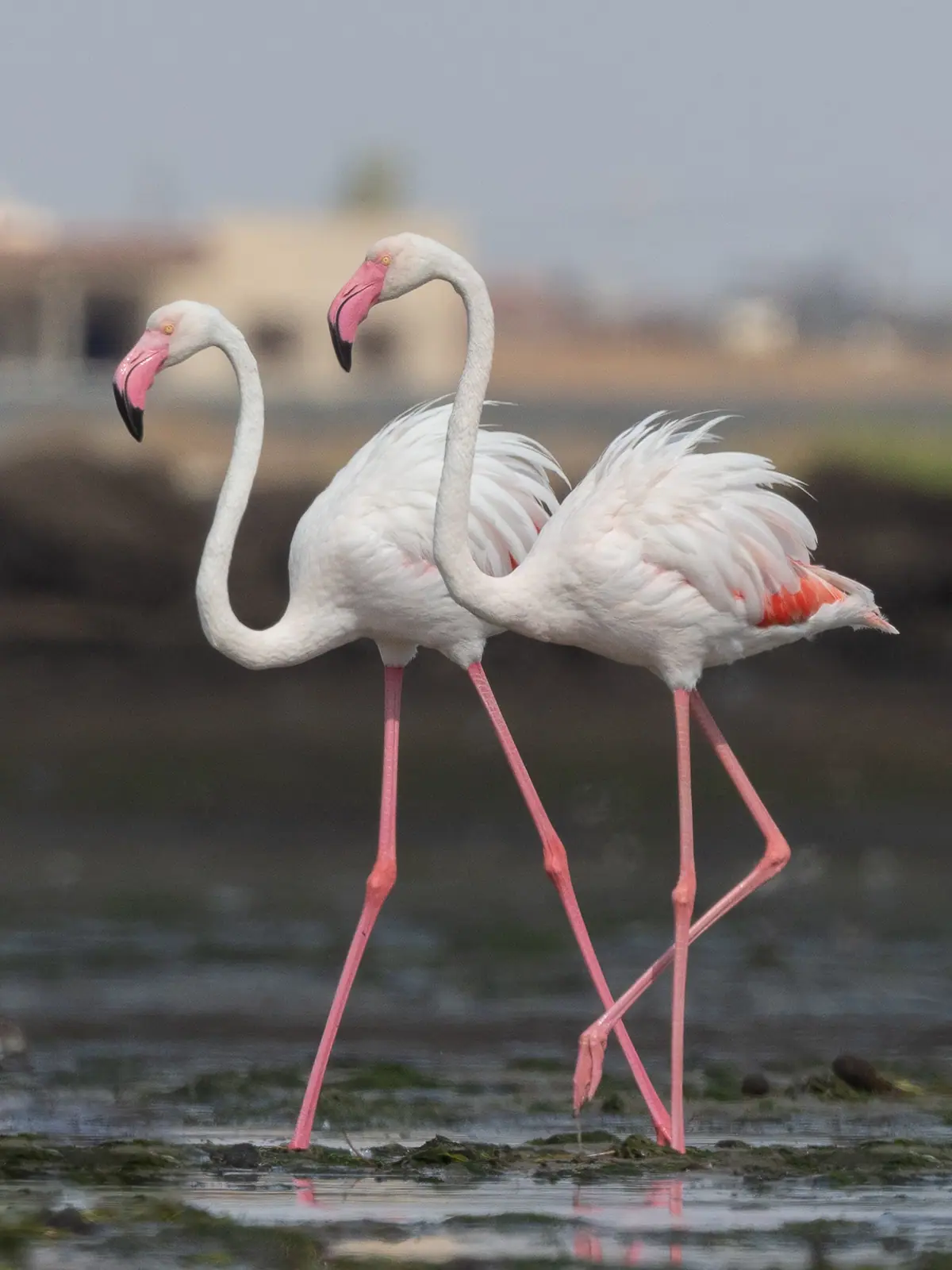
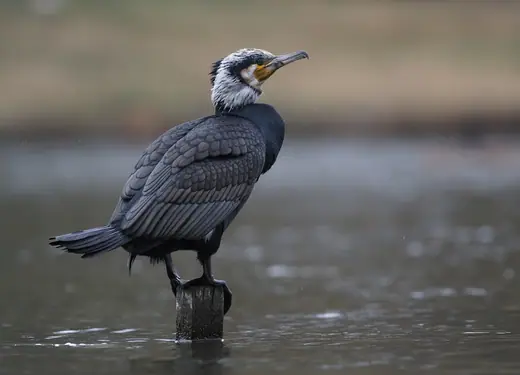
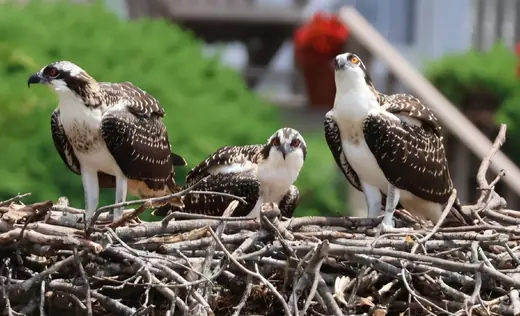
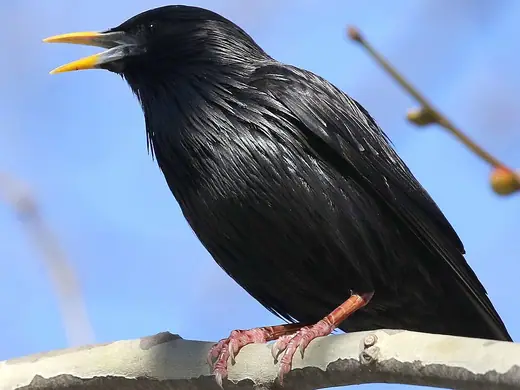
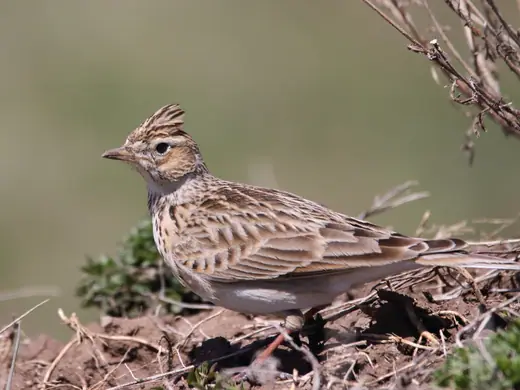
 SeasonalEuSkylarkAlauda arvensis
Photo: Ani Sarkisyan, CC BY
The docks, islands, breakwaters and open ground of the port of the Bay of Algeciras and the port of Tarifa are not a blank in the atlas. At 7 sites of the port area 287 bird species are known, bringing two sources together: the open GBIF and OBIS observations geolocated at each site, and the field records of the Port Authority. Each site is a place of the atlas with its own page.
283 with open observations, 45 recorded in the field and 41 by both routes.
 Sites of the port area of the Port Authority of the Bay of AlgecirasAPBA bird guide (PDF, in Spanish)
Two sources, together and told apart: CC0 and CC BY observations from GBIF and OBIS, deduplicated, within the radius of each site; and the Port Authority's field records, which say the species was seen there and with what presence, but not how many times.
Each site is measured at its own point and radius, not across the whole port. What to see this week (week 43 and the two around it) comes from the open observations of each one; it is a probability, not a promise.
Port
San Roque · 1.0 km radius
46bird species194 observations
46 species: 31 with open observations, 21 recorded in the field, 6 by both routes
2020–2025
The most observed
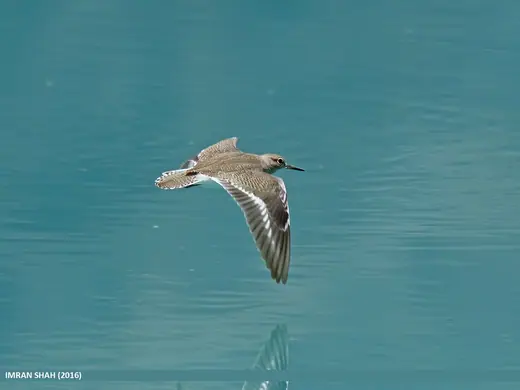 Common Sandpiperrecorded in the field · Resident (according to the guide)
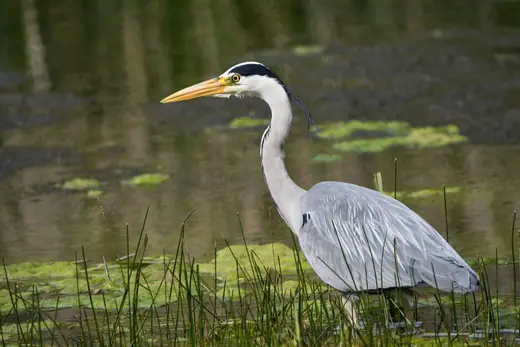 Grey Heronrecorded in the field · Resident (according to the guide)
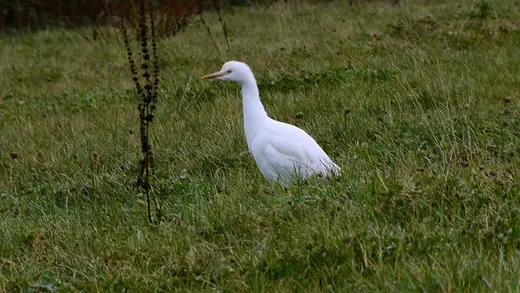 Cattle Egretrecorded in the field · Resident (according to the guide)
Port
Algeciras · 0.5 km radius
76bird species848 observations
76 species: 72 with open observations, 12 recorded in the field, 8 by both routes
2013–2024
What to see this week
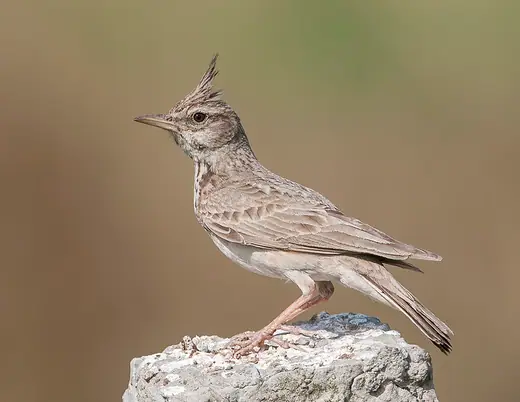 Crested Larkrecorded in the field · Resident (according to the guide)
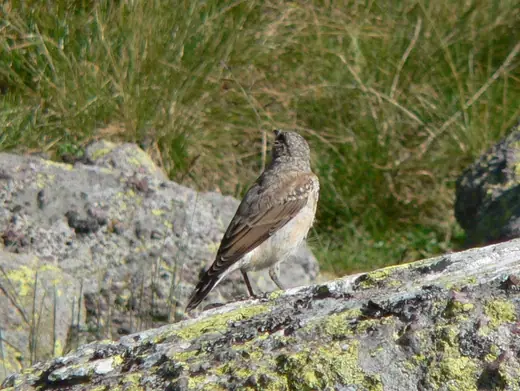 Northern Wheatearrecorded in the field · Seasonal (according to the guide)
Port
Algeciras · 0.5 km radius
116bird species3,573 observations
116 species: 116 with open observations, 2 recorded in the field, 2 by both routes
2018–2024
What to see this week
Common Sandpiper12% of its observations here fall in these weeksCrested Lark7% of its observations here fall in these weeks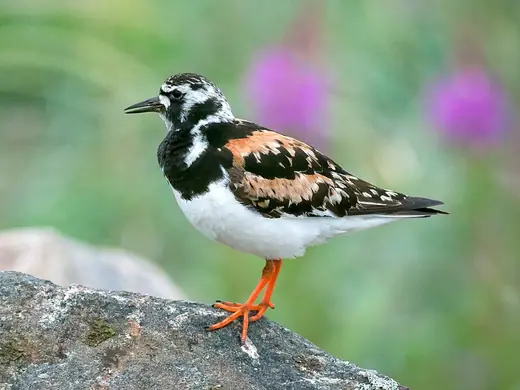 Ruddy Turnstone7% of its observations here fall in these weeksrecorded in the field
Port
Algeciras · 0.5 km radius
130bird species4,307 observations
130 species: 130 with open observations, 1 recorded in the field, 1 by both routes
2017–2024
What to see this week
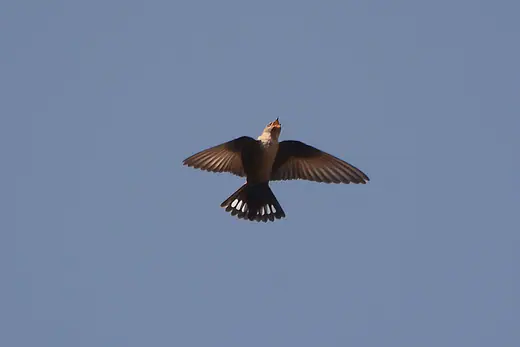 Eurasian Crag Martin14% of its observations here fall in these weeks
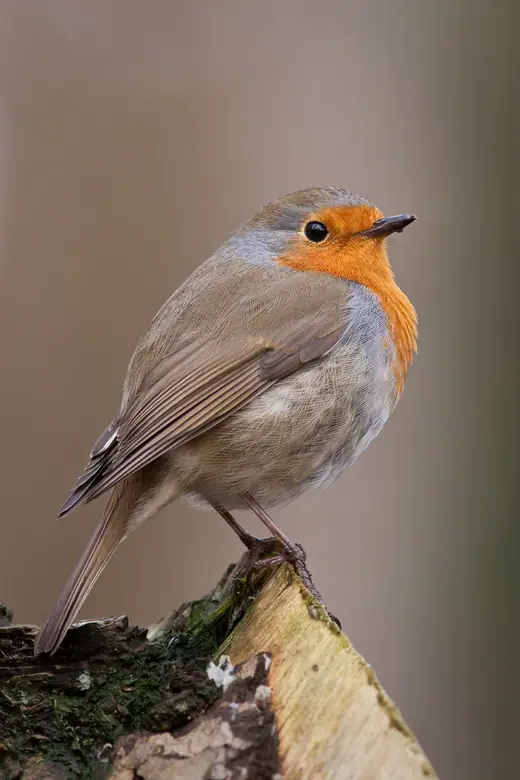 European Robin13% of its observations here fall in these weeks
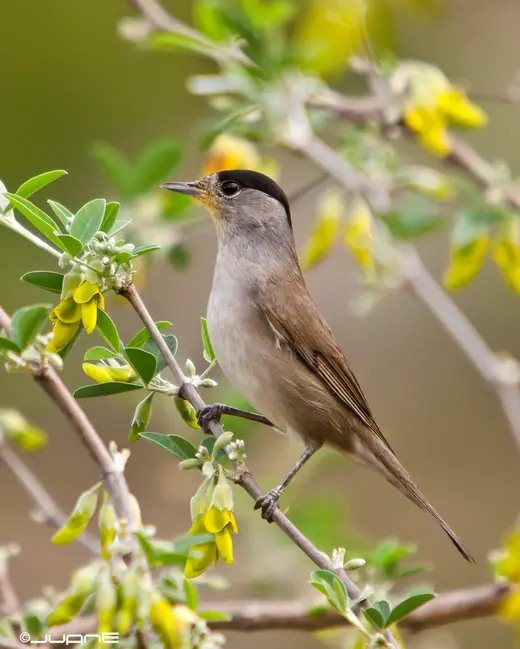 Eurasian Blackcap9% of its observations here fall in these weeks
Port
Algeciras · 0.5 km radius
123bird species2,262 observations
123 species: 122 with open observations, 6 recorded in the field, 5 by both routes
2018–2025
What to see this week
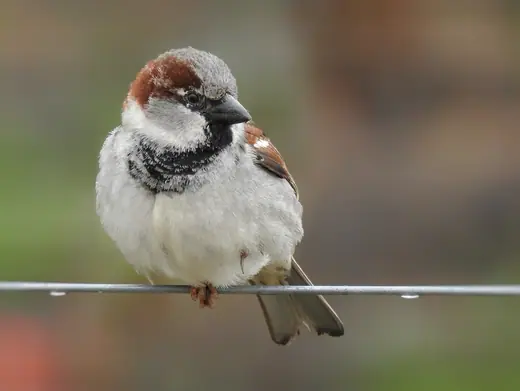 House Sparrow6% of its observations here fall in these weeks
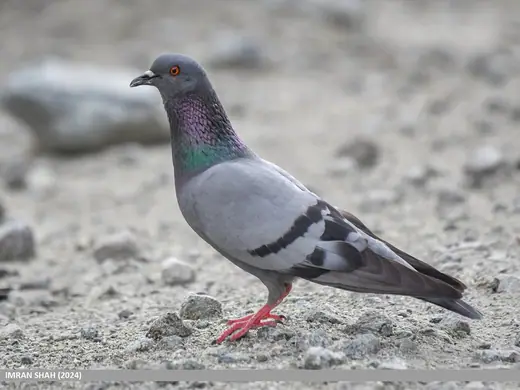 Rock Dove5% of its observations here fall in these weeks
Island
Tarifa · 1.5 km radius
257bird species75,330 observations
257 species: 257 with open observations, 14 recorded in the field, 14 by both routes
2012–2026
What to see this week
EuSkylark59% of its observations here fall in these weeks Northern Gannet44% of its observations here fall in these weeksrecorded in the fieldNorthern Wheatear40% of its observations here fall in these weeks
Port
Tarifa · 0.5 km radius
247bird species31,378 observations
247 species: 247 with open observations, 9 recorded in the field, 9 by both routes
2016–2026
What to see this week
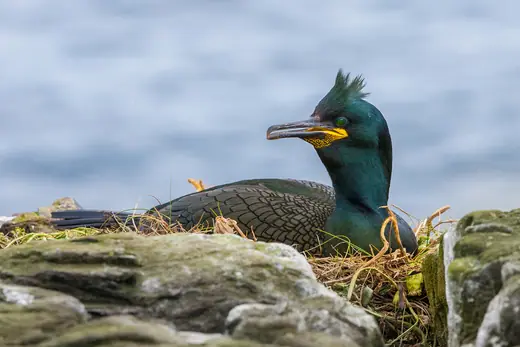 European Shag20% of its observations here fall in these weeks
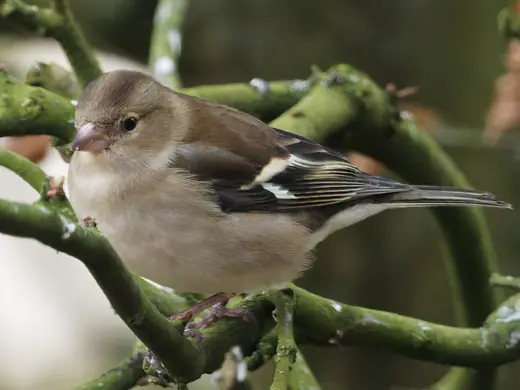 Common Chaffinch17% of its observations here fall in these weeks
Observations measure observer effort as well as presence: the Isla de las Palomas and the port of Tarifa concentrate the migration watchers, and the quays of Algeciras have almost none. “Recorded in the field” marks the species documented at that site by the Port Authority.
October
Of the species with enough data at the sites, those whose open observations are most concentrated in October. A probability of seeing them, not a promise.
SeasonalEuSkylarkAlauda arvensisPhoto: Ani Sarkisyan, CC BY
55 % of its observations are from October
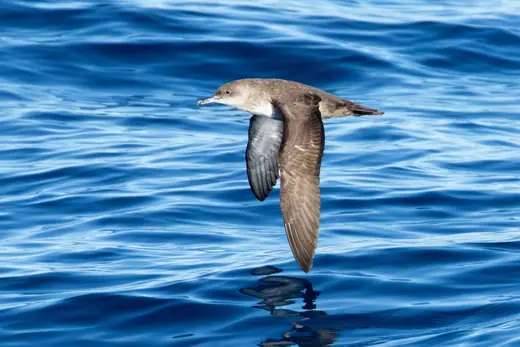 SeasonalBalearic ShearwaterPuffinus mauretanicus
Photo: Thibaud Aronson, CC BY-SA
42 % of its observations are from October
SeasonalNorthern GannetMorus bassanusPhoto: Brooke J., CC BY
39 % of its observations are from October
No freely licensed photo
34 % of its observations are from October
No freely licensed photo
34 % of its observations are from October
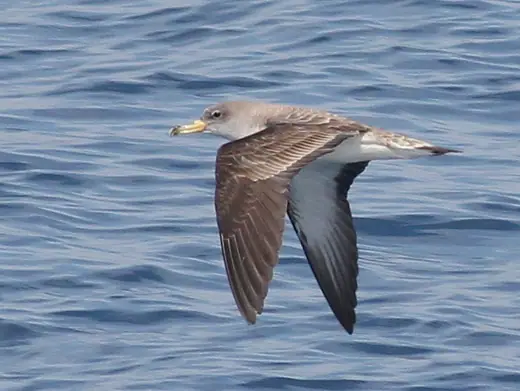 SeasonalCory’s ShearwaterCalonectris diomedea
Photo: Jan Ebr & Ivana Ebrová, CC BY
27 % of its observations are from October
Species with enough data at the sites that are listed as threatened in Andalusia or Spain, or with a threatened or near-threatened category in the Red Book of the Birds of Spain or the global Red List. That they can be seen from a port is worth telling.
Each species with the most severe category given to it by the Andalusian Catalogue, the Spanish Catalogue, the Red Book of the Birds of Spain 2021 or the global IUCN Red List, in that order of priority. Sources and dates on each species page.
Open data barely reaches below the surface of the port: in the waters of the bay birds are well observed, but only 2 cetacean species are on record, and 1 of marine fauna in OBIS. That gap between what is known in the field and what is published openly is the first one Bioestrecho wants to close with its own data from the port area.
Cetaceans observed in the bay
CC0 and CC BY observations from GBIF and OBIS, deduplicated, geolocated at the point of each site with its radius; our own text. The “recorded in the field” mark comes from the bird guide of the Port Authority of the Bay of Algeciras (Green Strategy), from which only that fact is taken. Download the APBA bird guide (PDF, in Spanish)