ResidentYellow-legged GullLarus michahellis
No freely licensed photo
Places › Northern shore · Port
San Roque · 36.17° N, 5.37° W
The northern end of the port area, between the Guadarranque mouth and Puente Mayorga: open ground, pools after rain and the shore of the bay. Flamingos, waders and herons in the pools; watch from the promenade and public accesses.
90 % of the records are from 2020 onwards.
Few open observations: the southern shore has fewer observers, not less life. The figures here describe what has been published, not what is there.
September
The species with the largest share of their open observations in these weeks of the year, here (week 37 and its two neighbours). A likelihood, not a promise: observations measure effort as well as presence.
No freely licensed photo
22% of its observations here fall in these weeks
Where to watch today
Forecast wind at Campamento, 10:00–16:00
16km/h from the W
Gusts
40 km/h
A westerly shifts the passage east. Soaring birds approach the sea between Algeciras, Punta Carnero and Gibraltar, and cross towards Ceuta and Jbel Musa.
Watchpoint: Algarrobo and Punta Carnero
Forecast for Wednesday 9 September, Open-Meteo (CC BY 4.0). A reading, not a prediction of passage.
Seen these days
No open observations within 1 km in the last 14 days.
iNaturalist, research grade and CC0 or CC BY licence; the date is that of the observation, not the upload.
One list with both sources: the open GBIF and OBIS observations within 1 km, which say how many times and when, and the Port Authority's field records, which say it was seen here and with what presence. First those with both kinds of evidence; then those only observed, by number of observations; last, those only recorded in the field.
46 bird species31 with open observations21 recorded in the field
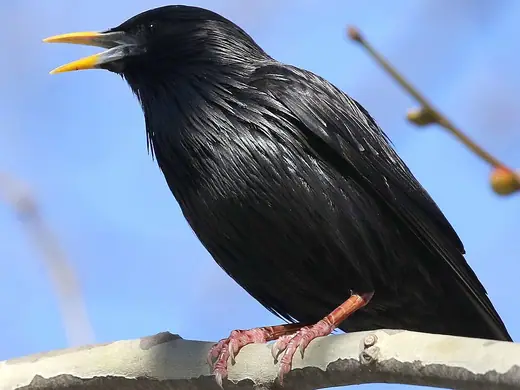 Spotless Starling7 obs. · recorded in the field · Resident
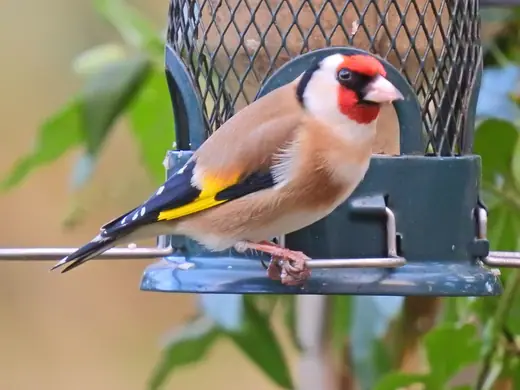 European Goldfinch3 obs. · recorded in the field · Resident
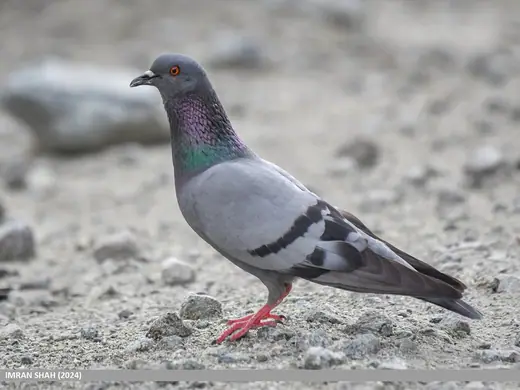 Rock Dove2 obs. · recorded in the field · Resident
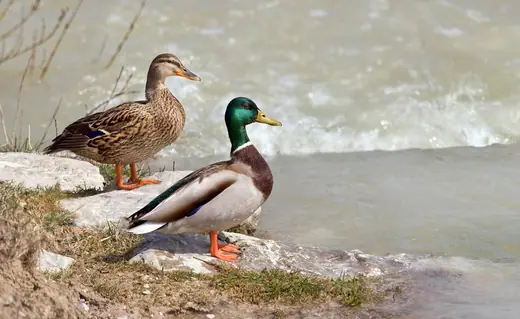 Mallard1 obs. · recorded in the field · Resident
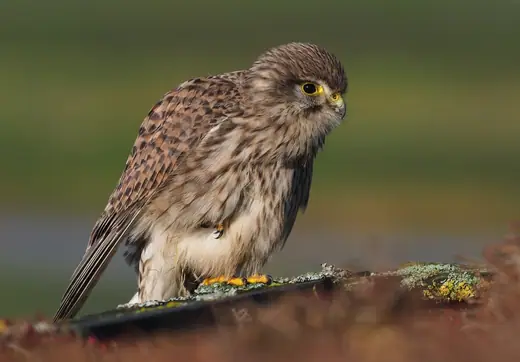 Common Kestrel1 obs. · recorded in the field · Resident
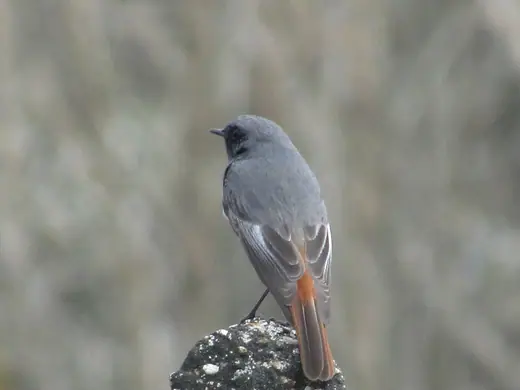 Black Redstart1 obs. · recorded in the field · Resident
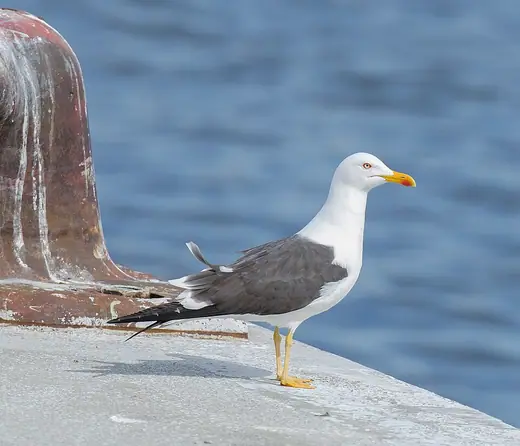 Lesser Black-backed Gull7 obs.
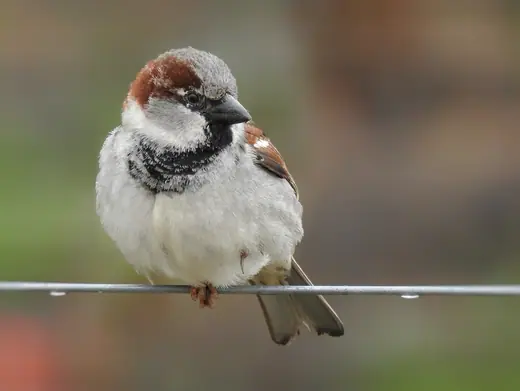 House Sparrow7 obs.
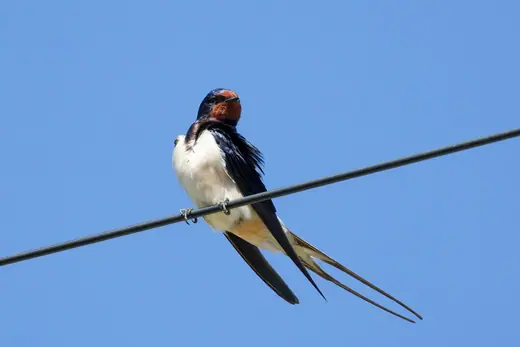 Barn Swallow6 obs.
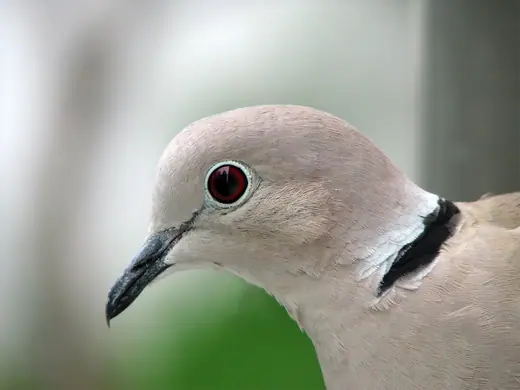 Eurasian Collared Dove6 obs.
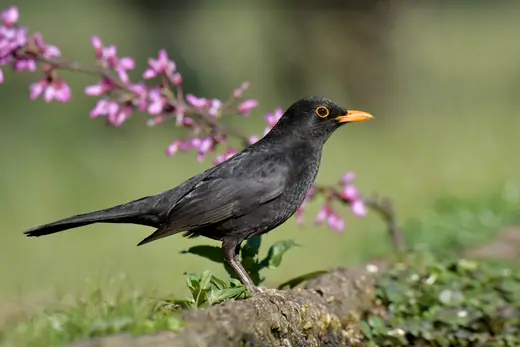 Common Blackbird5 obs.
 Northern Gannet3 obs.
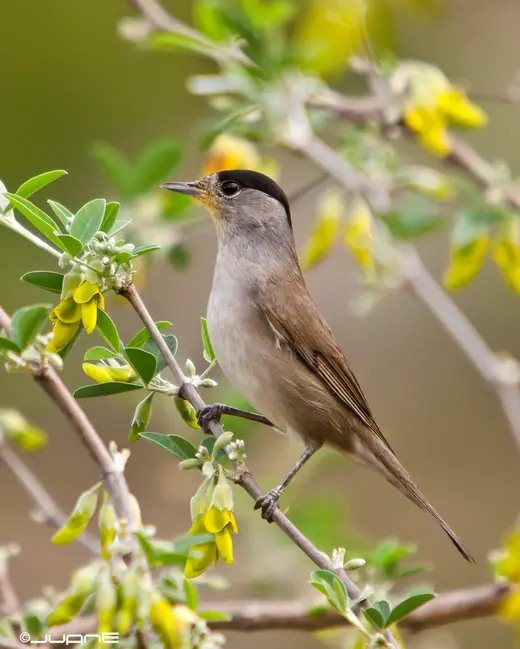 Eurasian Blackcap3 obs.
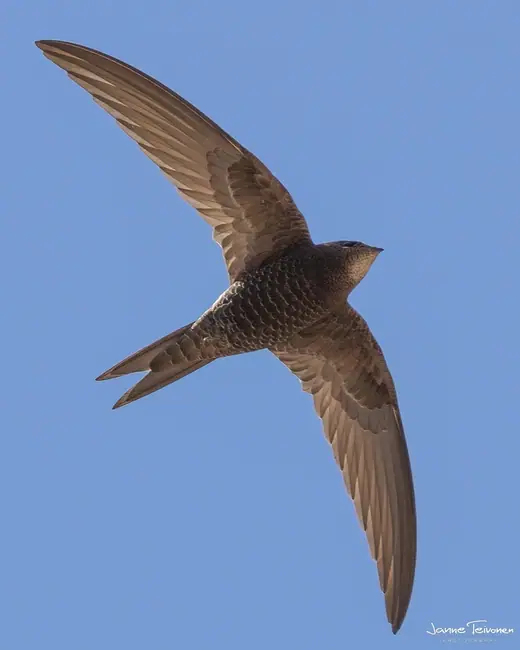 Pallid Swift2 obs.
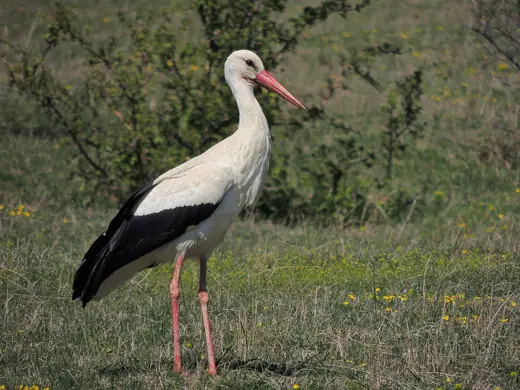 White Stork2 obs.
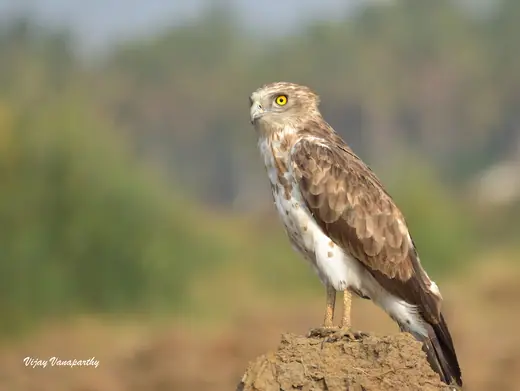 Short-toed Snake Eagle2 obs.
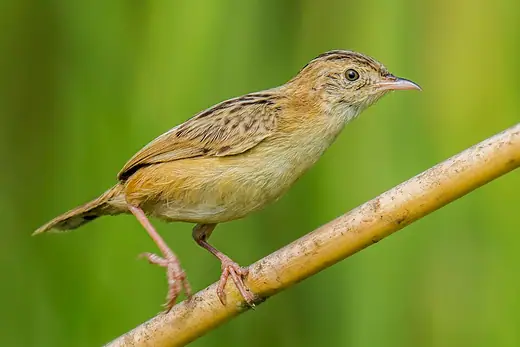 Zitting Cisticola2 obs.
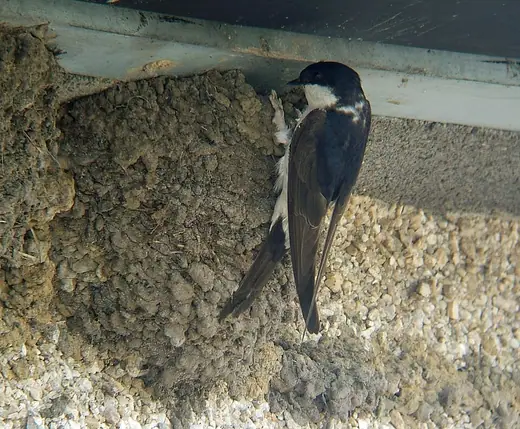 Common House Martin2 obs.
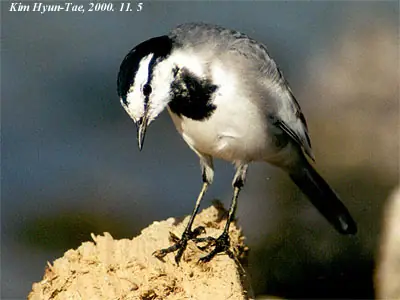 White Wagtail2 obs.
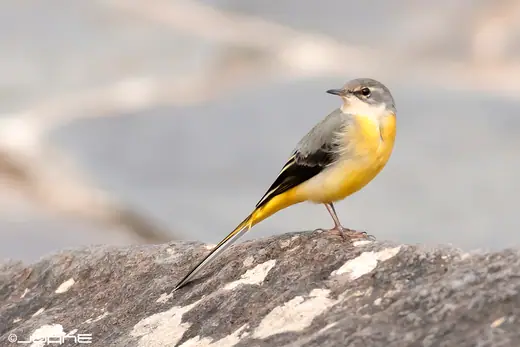 Grey Wagtail2 obs.
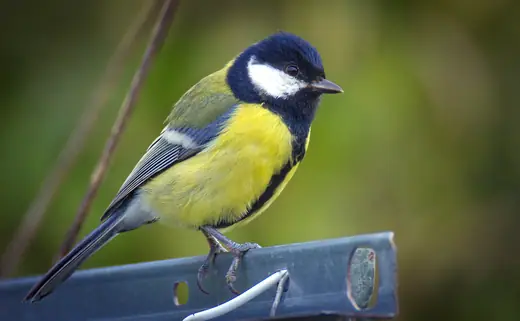 Great Tit2 obs.
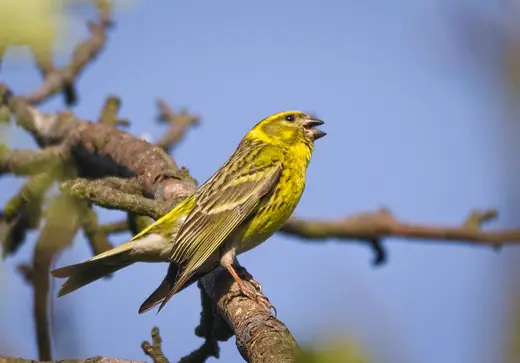 European Serin2 obs.
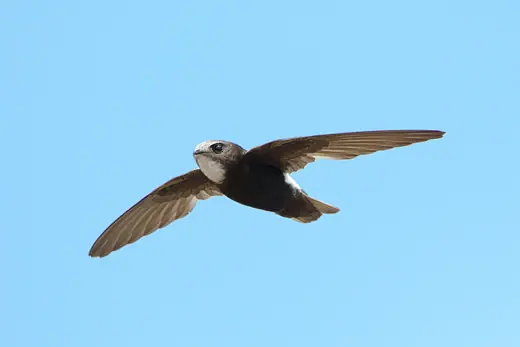 Little Swift1 obs.
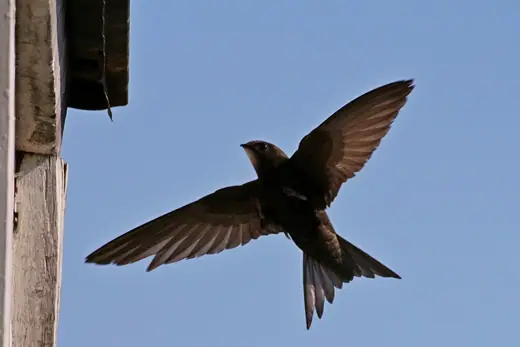 Common Swift1 obs.
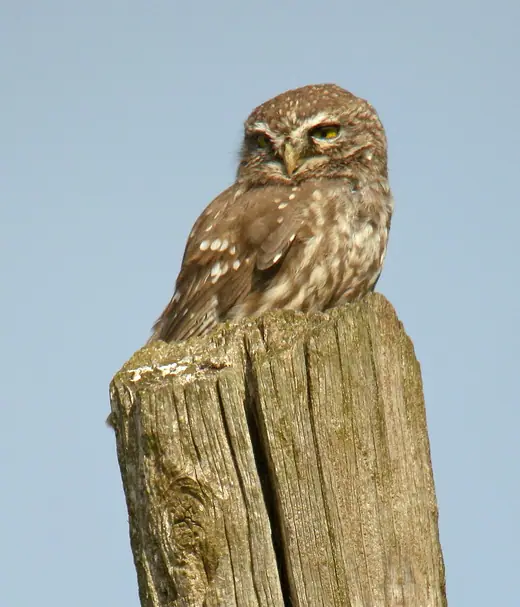 Little Owl1 obs.
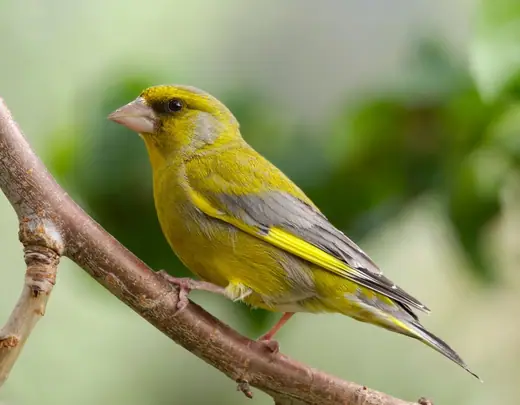 European Greenfinch1 obs.
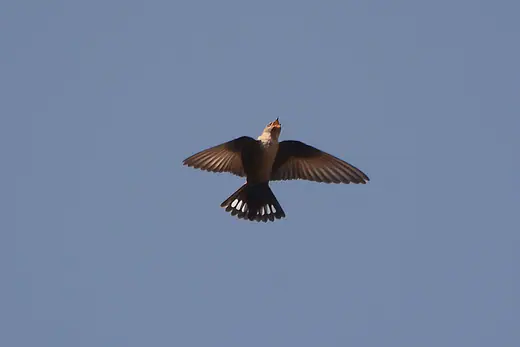 Eurasian Crag Martin1 obs.
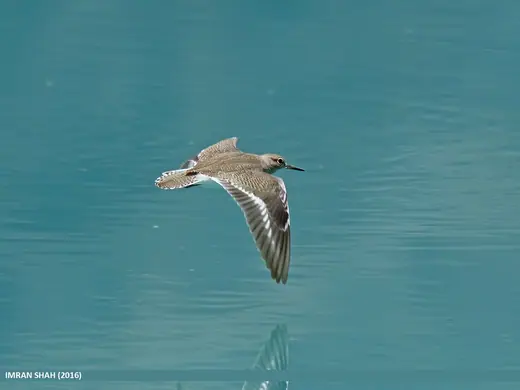 Common Sandpiperno open observation · recorded in the field · Resident
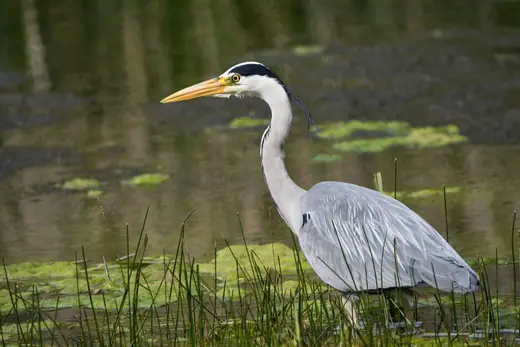 Grey Heronno open observation · recorded in the field · Resident
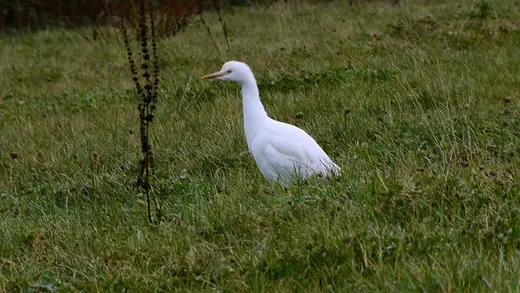 Cattle Egretno open observation · recorded in the field · Resident
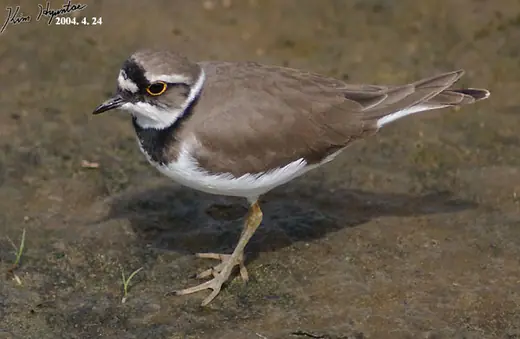 Common Little Ringed Ploverno open observation · recorded in the field · Resident
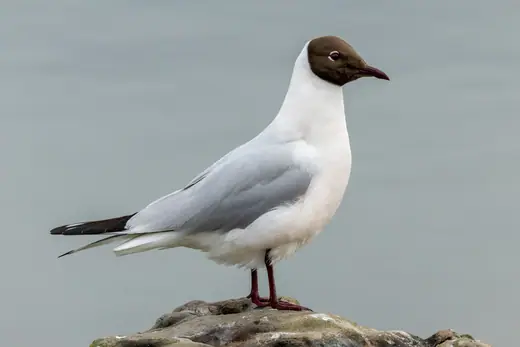 Black-headed Gullno open observation · recorded in the field · Resident
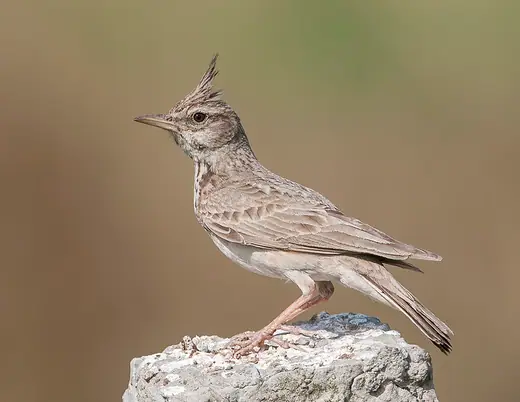 Crested Larkno open observation · recorded in the field · Resident
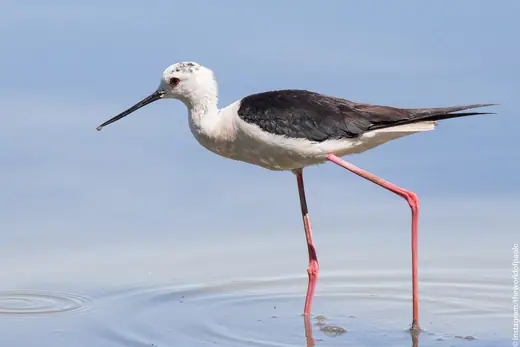 Black-winged Stiltno open observation · recorded in the field · Resident
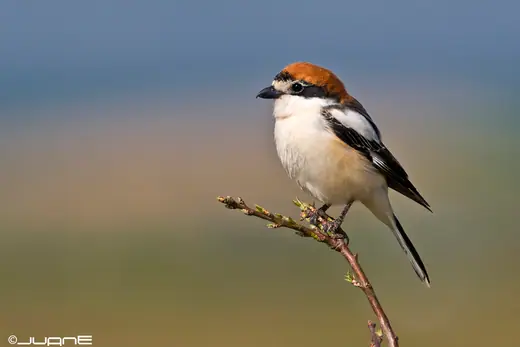 Woodchat Shrikeno open observation · recorded in the field · Seasonal
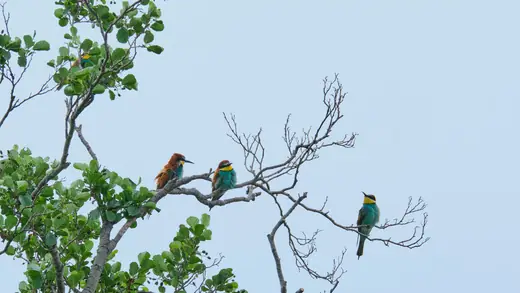 European Bee-eaterno open observation · recorded in the field · Seasonal
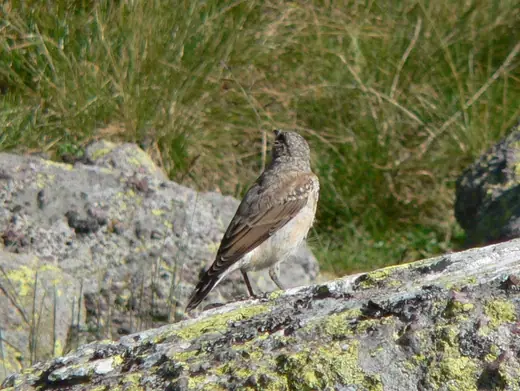 Northern Wheatearno open observation · recorded in the field · Seasonal
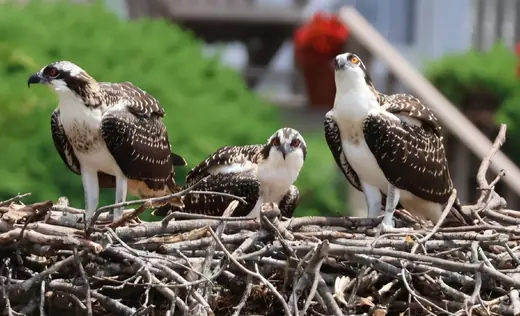 Ospreyno open observation · recorded in the field · Resident
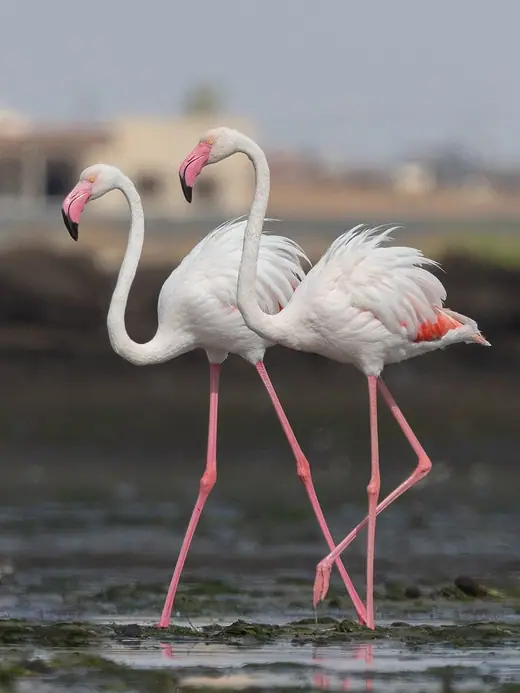 Greater Flamingono open observation · recorded in the field · Resident
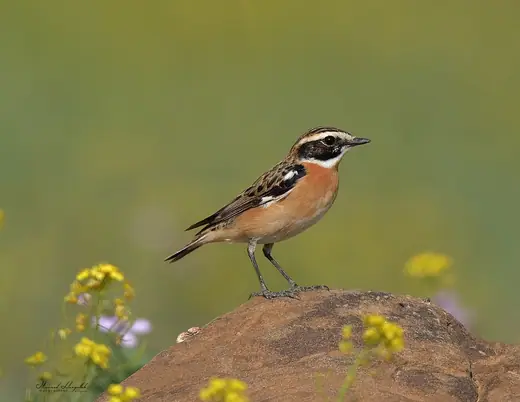 Whinchatno open observation · recorded in the field · Seasonal
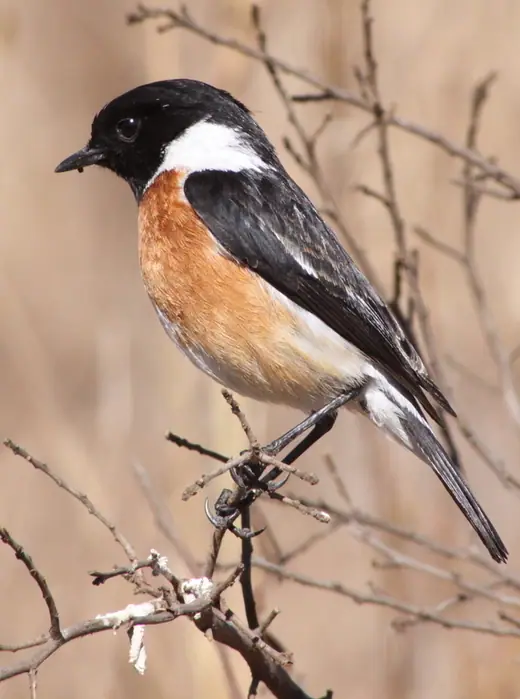 Common Stonechatno open observation · recorded in the field · Resident
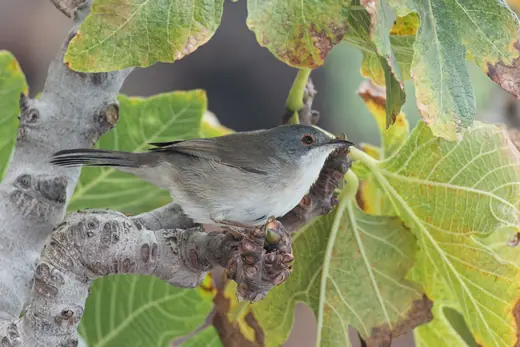 Sardinian Warblerno open observation · recorded in the field · Resident
A species recorded in the field with no open observation is not doubtful: it means nobody has published it under an open licence from this point. One with hundreds of observations and no field record is not either: the guide is not exhaustive. APBA bird guide (PDF, in Spanish)
Species more concentrated here than in the rest of the Strait: their share of observations at the place divided by their share across the whole area. An index of 3 means three times more frequent here than expected.
Birds with 30 or more open records within the site radius. It measures observation effort as well as presence.
Each species' line is its weekly distribution here; the vertical tick is the current week.
Important Bird Area (IBA)
Outside every IBA in the inventory.
Inventory kept by SEO/BirdLife within BirdLife International's IBA programme. It is not a legal protection status, but it carries weight in impact assessments and in court.
Natura 2000 network
The point is not inside any Natura 2000 site.
The northern end of the port area, between the Guadarranque mouth and Puente Mayorga: open ground, pools after rain and the shore of the bay. Flamingos, waders and herons in the pools; watch from the promenade and public accesses.
CC0 and CC BY records from GBIF and OBIS in the own database, deduplicated, within about 1 km of the point. Natura 2000 sites from the European Environment Agency. Protection designations as currently in force; no legal value. 9 September 2026.