 SeasonalAlpine SwiftApus melba
Photo: Paul F Donald, CC BY-SA
Places › Northern shore · Plain
Vejer de la Frontera · 36.24° N, 5.87° W
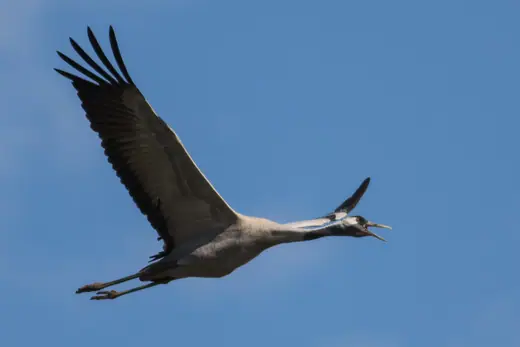
The former drained lagoon, now rice fields and crops, north-west of Tarifa. Gatherings of soaring birds waiting to cross on easterlies, cranes in winter, raptors all year. Public farm tracks; respect farms and gates.
90 % of the records are from 2014 onwards.
September
The species with the largest share of their open observations in these weeks of the year, here (week 37 and its two neighbours). A likelihood, not a promise: observations measure effort as well as presence.
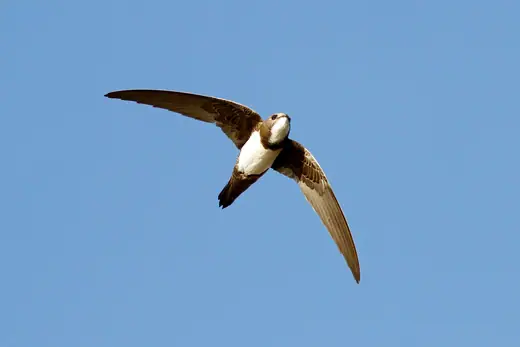
SeasonalAlpine SwiftApus melbaPhoto: Paul F Donald, CC BY-SA
64% of its observations here fall in these weeks
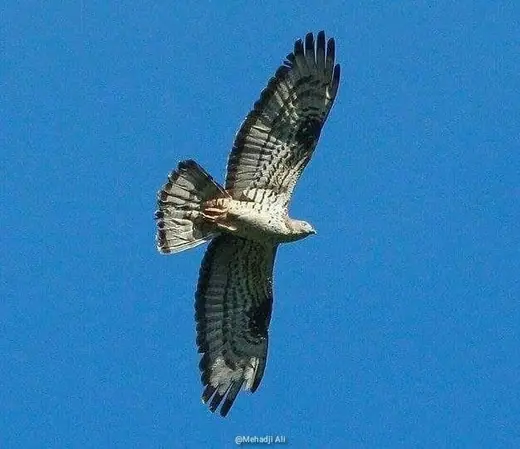 MigrantEuropean Honey BuzzardPernis apivorus
Photo: Alidz31, CC BY
54% of its observations here fall in these weeks
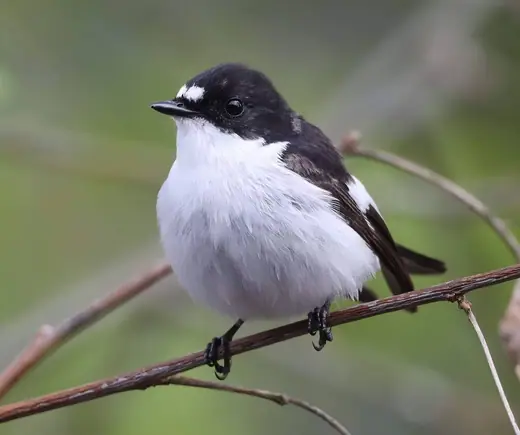 MigrantEuropean Pied FlycatcherFicedula hypoleuca
Photo: ViiruPesonen, CC BY-SA
49% of its observations here fall in these weeks
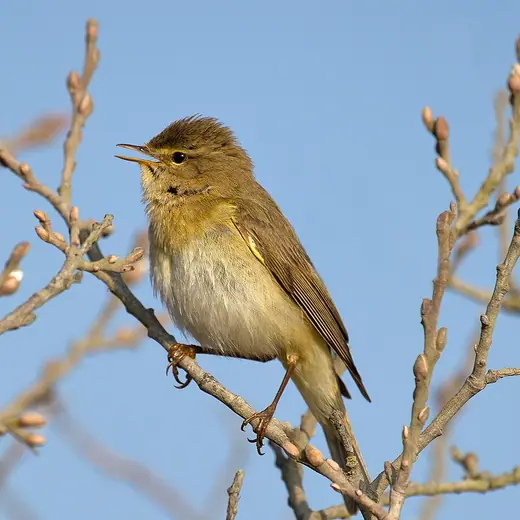 MigrantWillow WarblerPhylloscopus trochilus
Photo: Andreas Trepte, CC BY-SA 2.5
45% of its observations here fall in these weeks
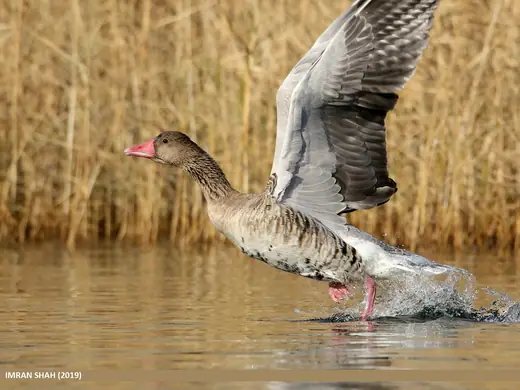 SeasonalGreylag GooseAnser anser
Photo: Imran Shah, CC BY-SA
42% of its observations here fall in these weeks
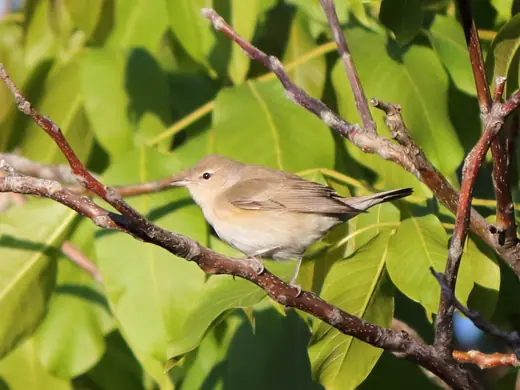 MigrantGarden WarblerSylvia borin
Photo: Ani Sarkisyan, CC BY
40% of its observations here fall in these weeks
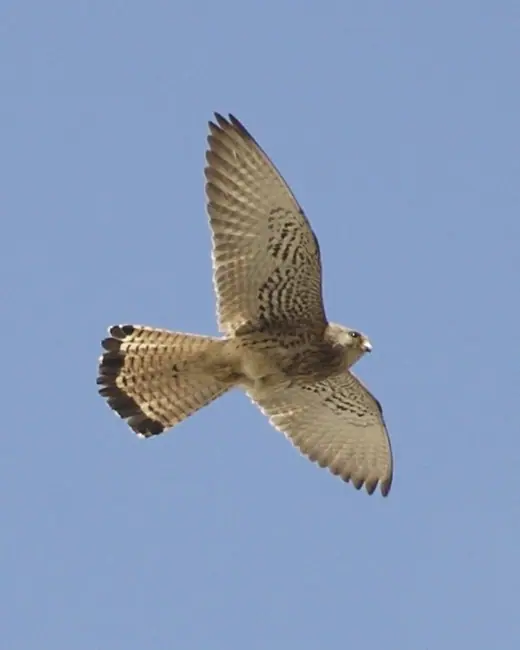 SeasonalLesser KestrelFalco naumanni
Photo: Lip Kee, CC BY-SA
39% of its observations here fall in these weeks
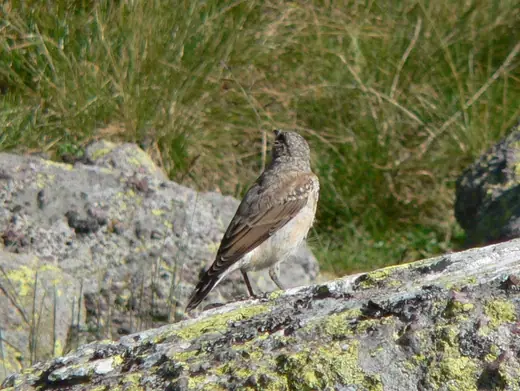 MigrantNorthern WheatearOenanthe oenanthe
Photo: Mario Bassini, CC BY
39% of its observations here fall in these weeks
Where to watch today
Forecast wind at La Janda, 10:00–16:00
10km/h from the SW
Gusts
24 km/h
With no clear easterly or westerly regime, the crossing point is decided hour by hour. It pays to watch how the day develops before choosing where to be.
Watchpoint: Cazalla, for its view over the whole front
Forecast for Tuesday 8 September, Open-Meteo (CC BY 4.0). A reading, not a prediction of passage.
Species more concentrated here than in the rest of the Strait: their share of observations at the place divided by their share across the whole area. An index of 3 means three times more frequent here than expected.
Birds with 30 or more open records within the site radius. It measures observation effort as well as presence.
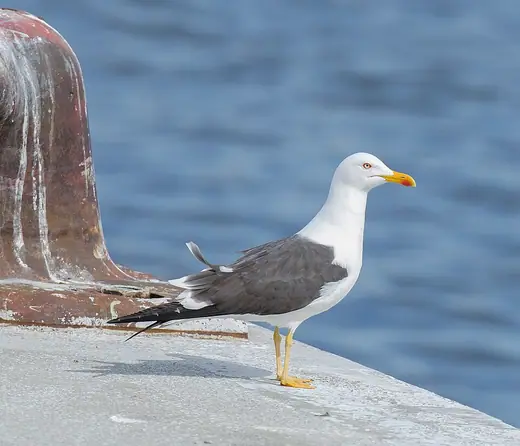 Lesser Black-backed Gull5,490
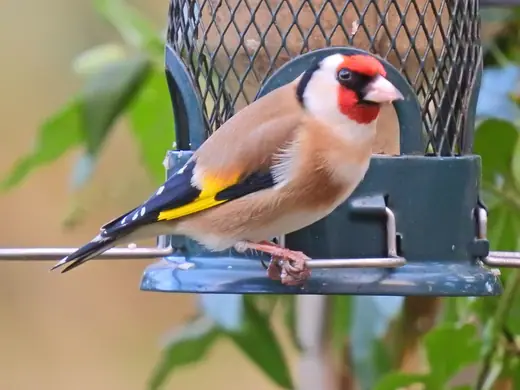 European Goldfinch2,129
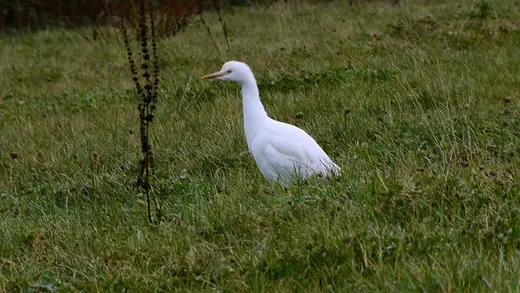 Cattle Egret2,004
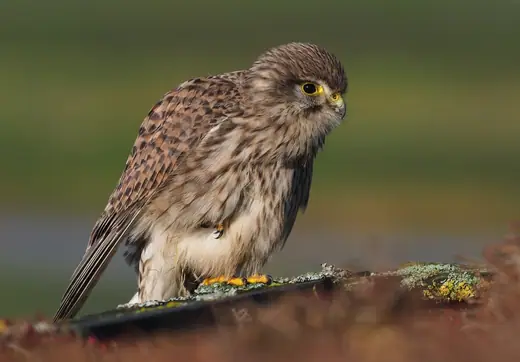 Common Kestrel1,775
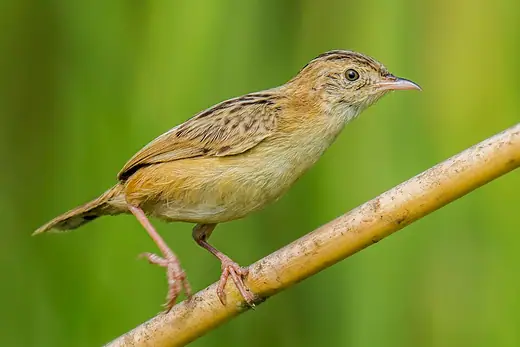 Zitting Cisticola1,751
 Little Egret1,731
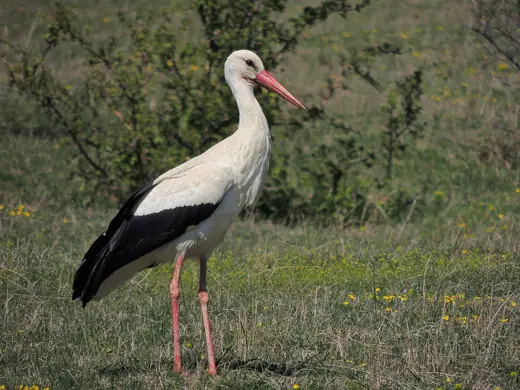 White Stork1,702
Each species' line is its weekly distribution here; the vertical tick is the current week.
Important Bird Area (IBA)
Inventory kept by SEO/BirdLife within BirdLife International's IBA programme. It is not a legal protection status, but it carries weight in impact assessments and in court.
Natura 2000 network
The point is not inside any Natura 2000 site.
The former drained lagoon, now rice fields and crops, north-west of Tarifa. Gatherings of soaring birds waiting to cross on easterlies, cranes in winter, raptors all year. Public farm tracks; respect farms and gates.
CC0 and CC BY records from GBIF and OBIS in the own database, deduplicated, within about 5.5 km of the point. Natura 2000 sites from the European Environment Agency. Protection designations as currently in force; no legal value. 8 September 2026.