The journey
Each arc joins the country where a bird was ringed with the Strait, where it was recovered. These are not hand-drawn routes: they are 3,940 recoveries of 134 species, and they all converge here.
- 3,940
- ring recoveries
- 134
- species
- 41
- countries of origin
The Strait connects with 41 countries
This is read by place rather than by species: where the funnel pulls from. 3,940 birds ringed in 41 countries were recovered here, and they belong to 134 species. Choose a country to see which species link it to the Strait.
Species ringed in Germany
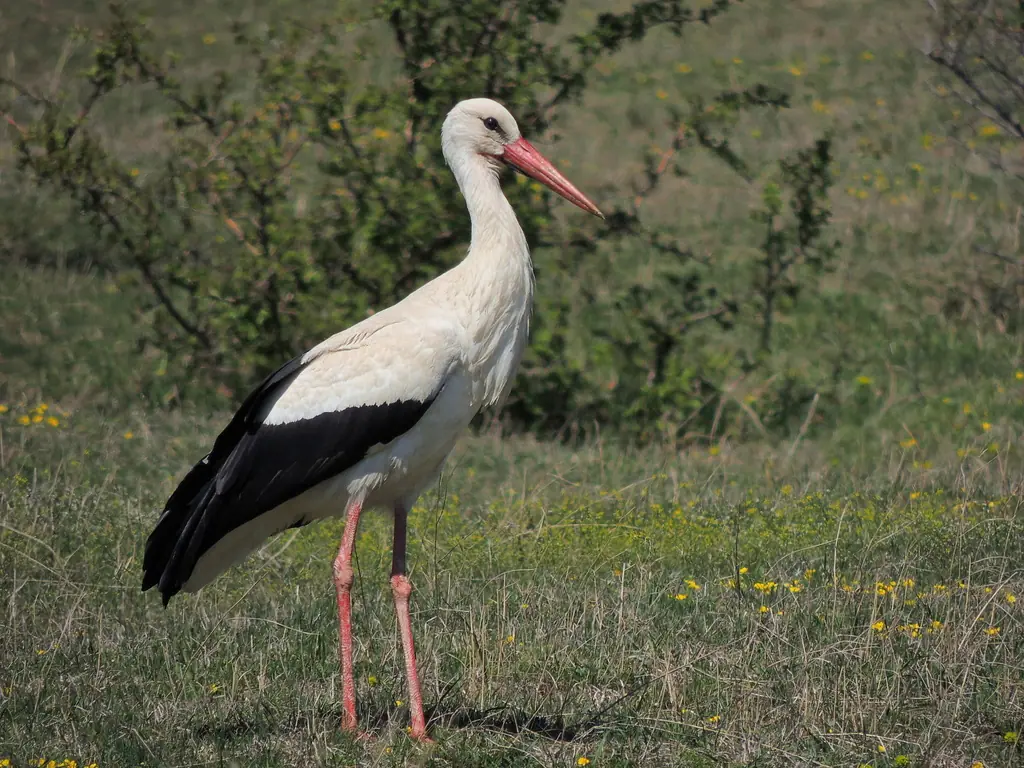
- White Stork141
- European Robin42
- Common Redstart41
- Eurasian Blackcap40
- Northern Lapwing26
- White Wagtail22
- Black Redstart21
- Song Thrush19
- Eurasian Siskin18
- European Goldfinch13
- Common Redshank12
- Common Whitethroat11
- Eurasian Reed Warbler10
- Garden Warbler9
- Common Starling9
- Common Chiffchaff8
- Meadow Pipit6
- European Pied Flycatcher6
- Grey Heron6
- Spotted Flycatcher6
- Kentish Plover6
- Black-headed Gull5
- Ringed Plover5
- Eurasian Curlew5
- Westhern Marsh Harrier4
- Mew Gull4
- Common Snipe3
- Bluethroat3
- Pied Avocet3
- Common Blackbird3
- Red Kite3
- Common Chaffinch2
- Greylag Goose2
- Redwing2
- Sandwich Tern2
- Northern Wheatear2
- Eurasian Oystercatcher2
- Common Nightingale2
- Common Reed Bunting2
- Grey Wagtail2
- Grey Plover2
- Dunnock2
- Eurasian Penduline Tit2
- Common Linnet1
- Black Kite1
- Willow Warbler1
- Common Stonechat1
- Eurasian Teal1
- Black-tailed Godwit1
- Osprey1
- Common Sandpiper1
- Tree Pipit1
- Common Moorhen1
- Stock Dove1
- Eurasian Sparrowhawk1
- Common Grashopper Warbler1
- Wood Warbler1
A country counts here when one of its ringed birds turned up in the area. The figures say where birds come from, not how many pass through: they also reflect where most ringing is done. There is no monthly breakdown because the origins come from the text of the guide entries, which gives country and number but no date; crossing that with the passage calendar to suggest a «in September it connects with» would be making it up.
Editorial series of ring recoveries; it is neither a random sample nor a measure of abundance: it reflects where most ringing takes place. The GBIF ringing dataset does not allow ringing and recovery to be paired, which is why it is not used here. Movebank GPS tracks (CC0) will be added in the next phase.
36 GPS-tagged storks that crossed the Strait
From the study “LifeTrack White Stork SW Germany (2013-2023)”: 92 storks tagged in south-west Germany, of which 36 passed through the Strait. One position per day. Choose one to follow it.
J
F
M
A
M
J
J
A
S
O
N
D
Positions in the Strait, month by month: when they actually cross. Outside this window the same birds are in Europe or the Sahel.
Everything that crosses has its hour
The Strait is not a place of constant passage but a calendar. Each group has its window, and in September the ones marked below coincide.
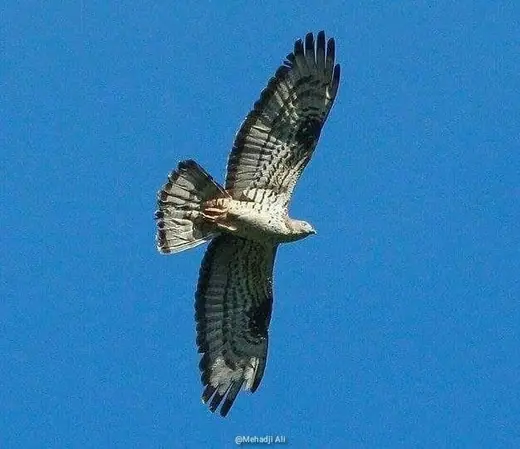 Soaring birds heading south: from July to October, peak in September; on passage now
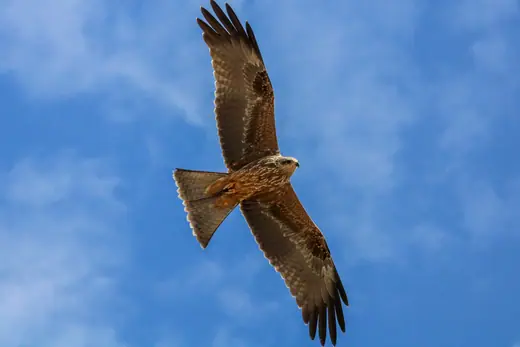 Soaring birds heading north: from February to May, peak in March
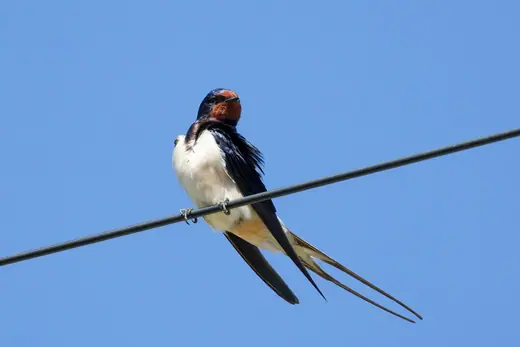 Post-breeding passerines: from August to November, peak in October; on passage now
 Seabirds on passage: from September to April, peak in November; on passage now
Bibliographic source, pending comparison with Fundación Migres
See the routes